




Temporomandibular Joint (TMJ) Dysfunction Therapy in London

A restorative approach that reconnects the rhythm of jaw movement with the body’s natural alignment and functional harmony.

For a lot of people, jaw pain isn’t just a nuisance but a constant disruption. When the rhythmic act of chewing, talking or even sleeping becomes intolerable. And still, the answers are late in emerging or misdiagnosed.

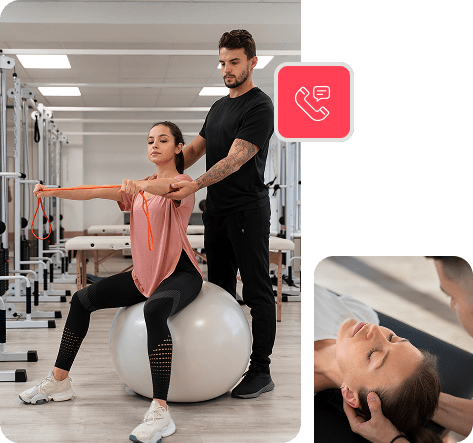
At PRAX physio, we intervene strategically with our TMJ disorder treatment in London for real relief and effective recovery. Using a combination of ancient healing methods, hands-on approaches, and proven outcomes, our TMJ physiotherapy helps guide patients back to comfort, movement, and their normal activities.

Temporomandibular Joint

Integrated Physiotherapy for Lasting TMJ Relief

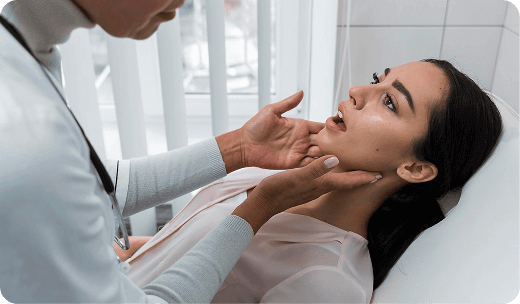
TMJ issues aren’t isolated to the jaw alone but can also affect other parts of the body. Therefore, we begin by conducting a detailed survey of how your jaw functions in relation to your neck, head, and posture. At PRAX Physio, our main focus is to provide pain relief and cause lasting body effects through the non-invasive, body-friendly rehabilitation approaches

The TMJ disorder therapy is given by qualified physiotherapists, and each session is tailored according to your daily tasks so you can not only improve your health but also comprehend the logic behind your healing process.

Our Service Is Rooted in
Precision and Care

physiotherapy
Comprehensive Jaw Assessment

An assessment of your jaw mechanics, muscle balance, and movement patterns to identify the cause of your symptoms.

Learn More
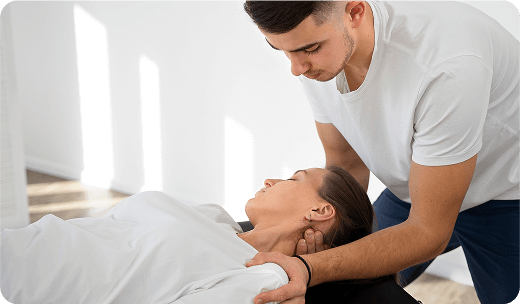
Manual Therapy

Soothing hands-on techniques to the jaw and neck areas to release tightness and enhance movement.

Learn More
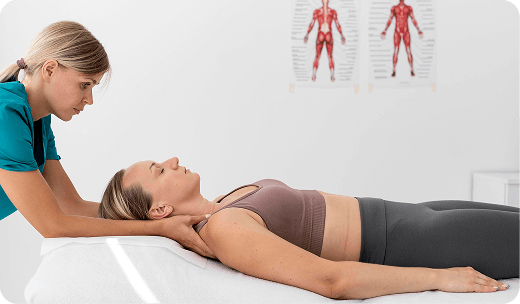
Therapeutic Exercises

Movement activities to retrain jaw muscles, develop coordination, and repattern movement control.

Learn More

physiotherapy
Postural Training and Habit Coaching

A guidunce for eliminating the bad habits and postures that might be causing extra stress to the jaw joint.

Learn More

Home Management Plans

Simple, effective home-care routines and self-management tips that help you between sessions.

Learn More
Prev
Next

Common TMJ Issues Addressed

Common TMJ Issues Addressed

TMJ Rehab Techniques

1 Soft Tissue Release

  • Employs specialised techniques to relieve pain in your jaw and neck.

2 Joint Mobilisation

  • Realigns and allows more comfortable, pain-free movement by exerting gentle, purposeful pressure to the TMJ disorder.

3 Neuromuscular Retraining

  • Attending guided exercises to retrain your jaw and neck muscles to fall back into synchronicity.

4 Trigger Point Therapy

  • Provides immediate relief and improved movement by targeting sensitive points in lactic-acid-burnt muscle that relay pain to the jaw.

5 Postural Realignment

  • Works on your upper body posture to take some of the pressure off your jaw joint and stop flare-ups.
Booking and Consultation

Booking and Consultation

Start your recovery plan today. Select your appointment and specialist through our calendar here. PRAX Physio is a click away from muscle relief.

    Frequently Asked Questions

    Can’t find what you’re looking for?

    What are the common symptoms of TMJ dysfunction?
    You might have jaw tension, clicking, headaches, ear pressure or facial pain especially when chewing, yawning or stressed.
    Physiotherapy eases pain, restores movement and releases tight muscles via hands-on manipulation, guided rehabilitation exercises and posture work.
    Yes, TMJ exercises like controlled mouth movements, gentle stretches, and relaxation techniques are the best methods to reduce stress, strengthen muscles, and restore joint mobility.
    TMJ rehab differs from person to person. Usually, Relief occurs after just a couple of sessions but full recovery depends on the cause, severity and compliance with your rehab.
    PRAX Physio: precise techniques ease tension in your jaw, improve mobility, decrease inflammation and leave you chewing, talking and smiling your way to recovery without pain.
    Most clients feel relief within a couple of sessions. Our patient-specific approach promises continuous progress towards long-term comfort and jaw closure stability.